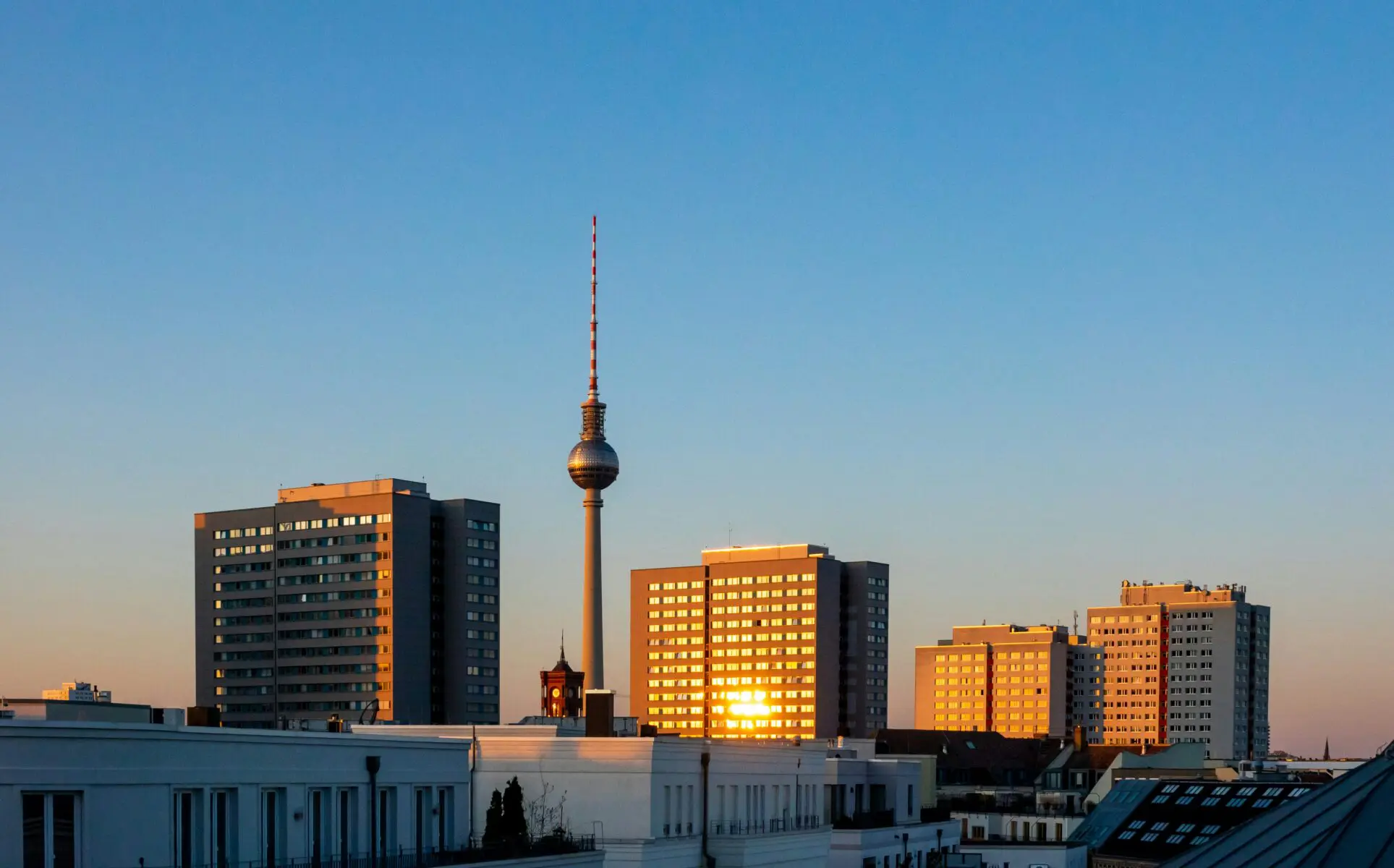
Your guide to Berlin’s creative neighbourhoods
Berlin doesn’t do creativity quietly. It does it in abandoned factories, on kilometre-long stretches of Cold War concrete, and in courtyards you’d never find unless someone told you to look. This guide shows four cool neighbourhood areas and districts in Berlin that prove it, each one its own world.

Kreuzberg: the centre of Berlin’s counter culture
Street art covers almost every surface, the canal banks fill up with locals the moment the sun appears, and the music venues have real history behind them. It’s the neighbourhood that resisted full gentrification longer than anywhere else in the city, and you can still feel why.
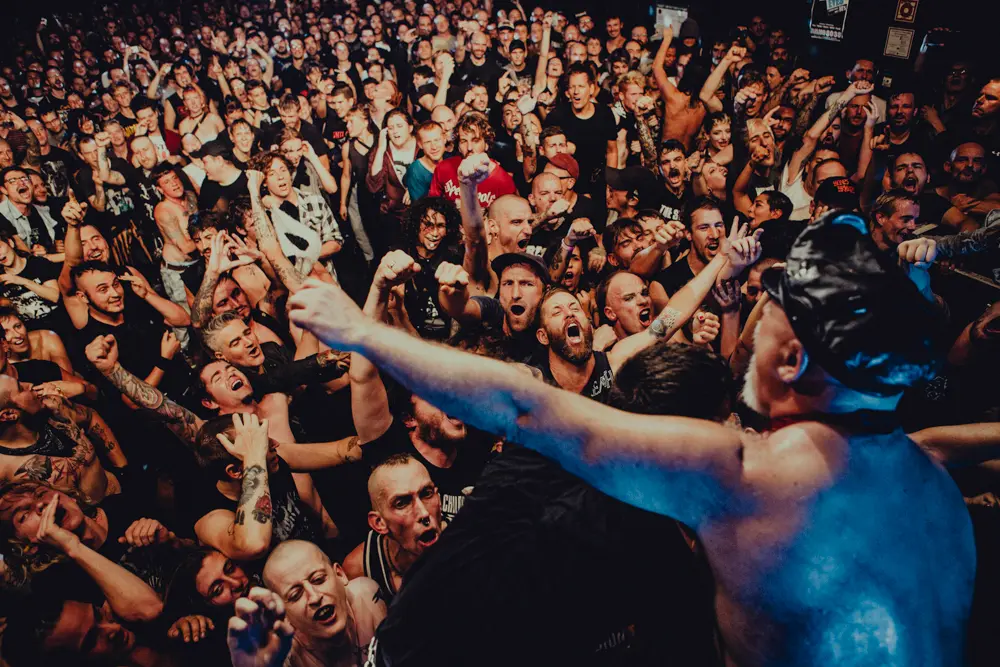
SO36
One of Berlin’s most storied live music venues, SO36 opened in 1978 and is named after Kreuzberg’s old postal code. It hosted David Bowie and Iggy Pop during their Berlin years and today runs everything from punk and metal nights to queer club events and world music. Check out the programme before you go.
Voo Store
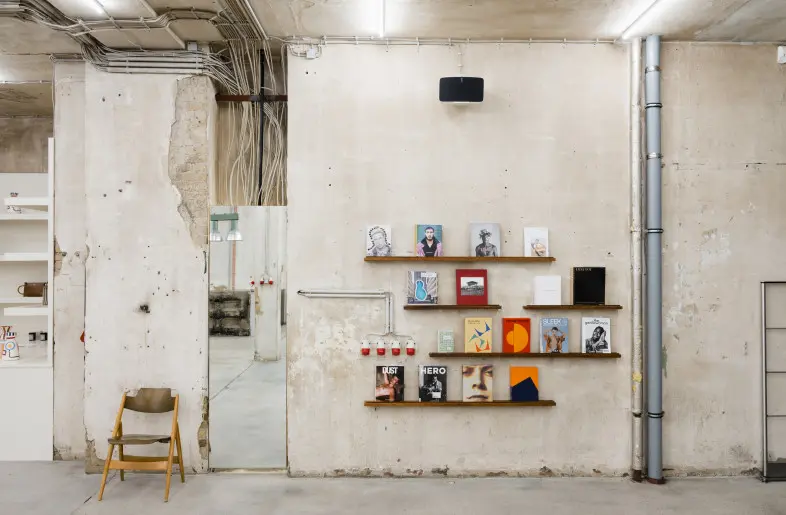
Hidden inside a courtyard off Oranienstraße, Voo stocks a tight edit of international designer fashion, beauty, and art books. There’s no sign outside. Look for the courtyard entrance and keep walking.
Urbanhafen
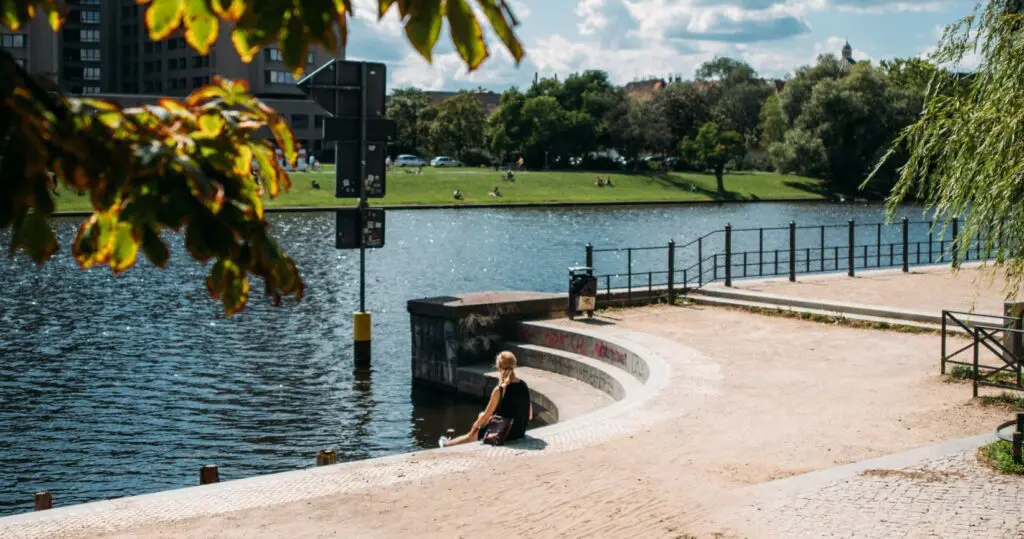
A stretch of grassy canal bank along the Landwehr Canal where Kreuzberg locals actually spend their afternoons: reading, swimming in summer, or simply sitting. No bars, no ticketing, no event. Just one of the better free hours you’ll spend in Berlin.
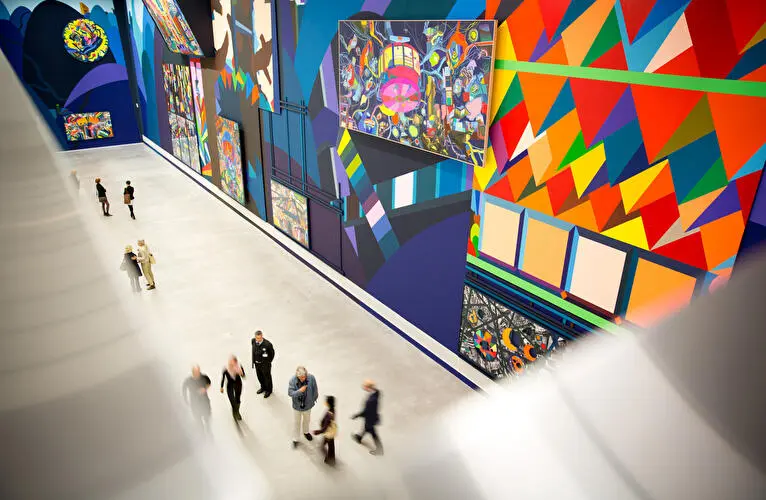
Berlinische Galerie
This is Berlin’s state museum for modern and contemporary art, with a collection focused specifically on work made in the city: paintings, photography, and architectural drawings from 1870 to the present. Smaller and more focused than the Museumsinsel institutions, and easier to spend an afternoon in.
Friedrichshain: an industrial, graffiti-covered playground for electronic music and indie culture
Separated from Kreuzberg by the River Spree, Friedrichshain carries its East Berlin past visibly: the Wall ran through here, and the RAW compound was a working rail yard until reunification. Now it’s one of the most active nightlife and culture districts in the city, built on top of that industrial infrastructure rather than replacing it.
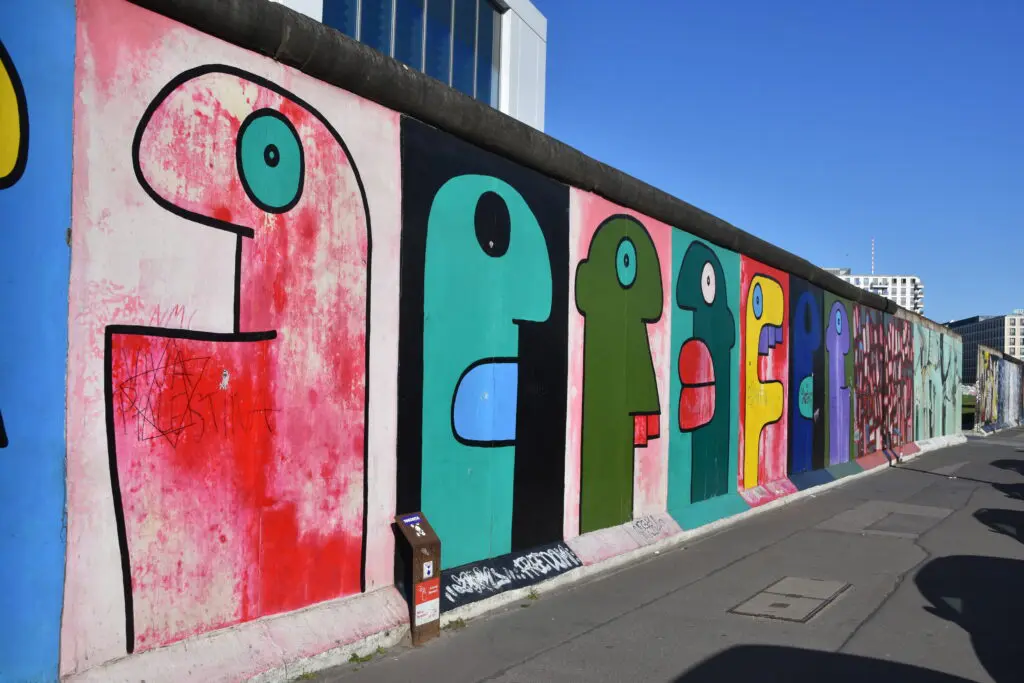
East Side Gallery
A 1.3-kilometre stretch of the original Berlin Wall, painted by over a hundred international artists in 1990 shortly after the Wall fell. The murals are political, personal, and deliberately permanent. It’s the most visited open-air gallery in Germany.
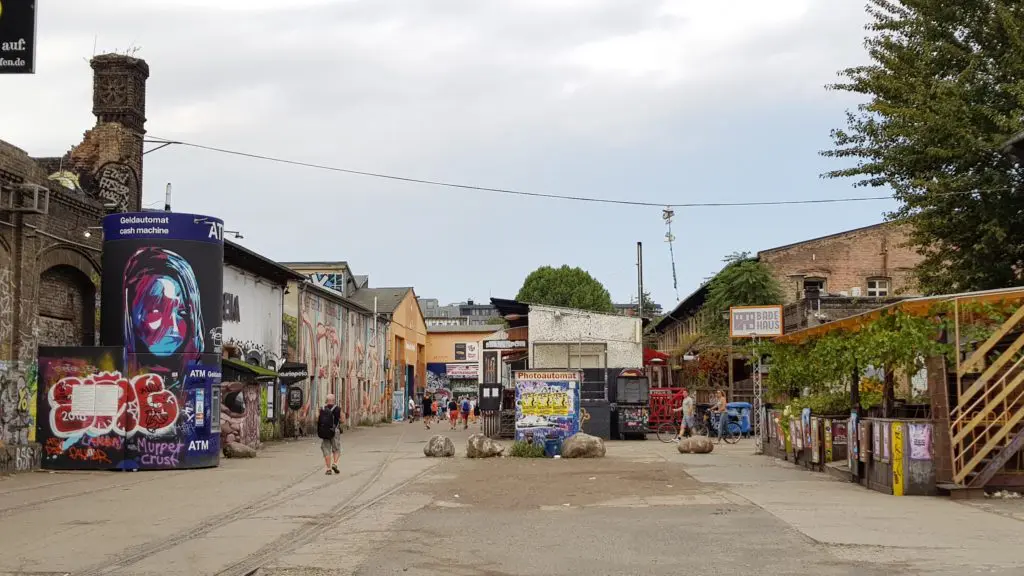
RAW-Gelände
This former railway repair yard is now a sprawling cultural compound. During the day you’ll find a flea market, indoor climbing wall, and skate park sharing the same graffiti-covered grounds. At night, several of the warehouses open as clubs. It’s genuinely chaotic in the best possible way.
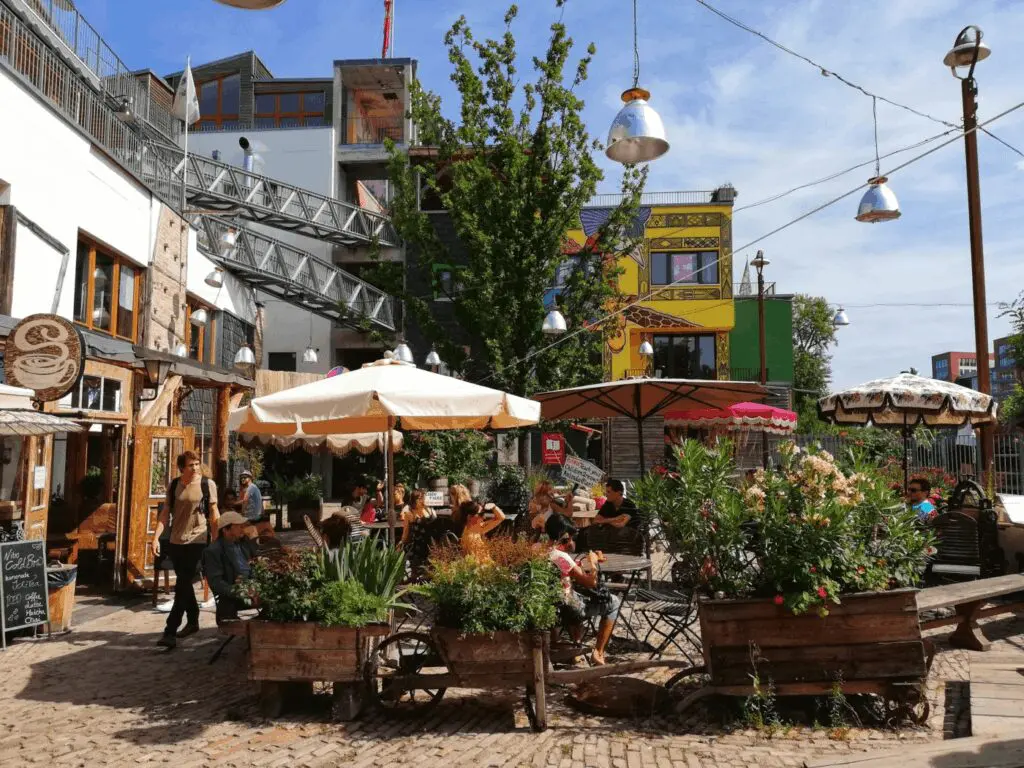
Holzmarkt 25
A community-built riverside village made almost entirely from recycled wood, sitting right on the Spree. It houses a mix of bars, studios, and a club, but during the day it’s genuinely relaxed. Order something, find a spot near the water, and stay longer than you planned.
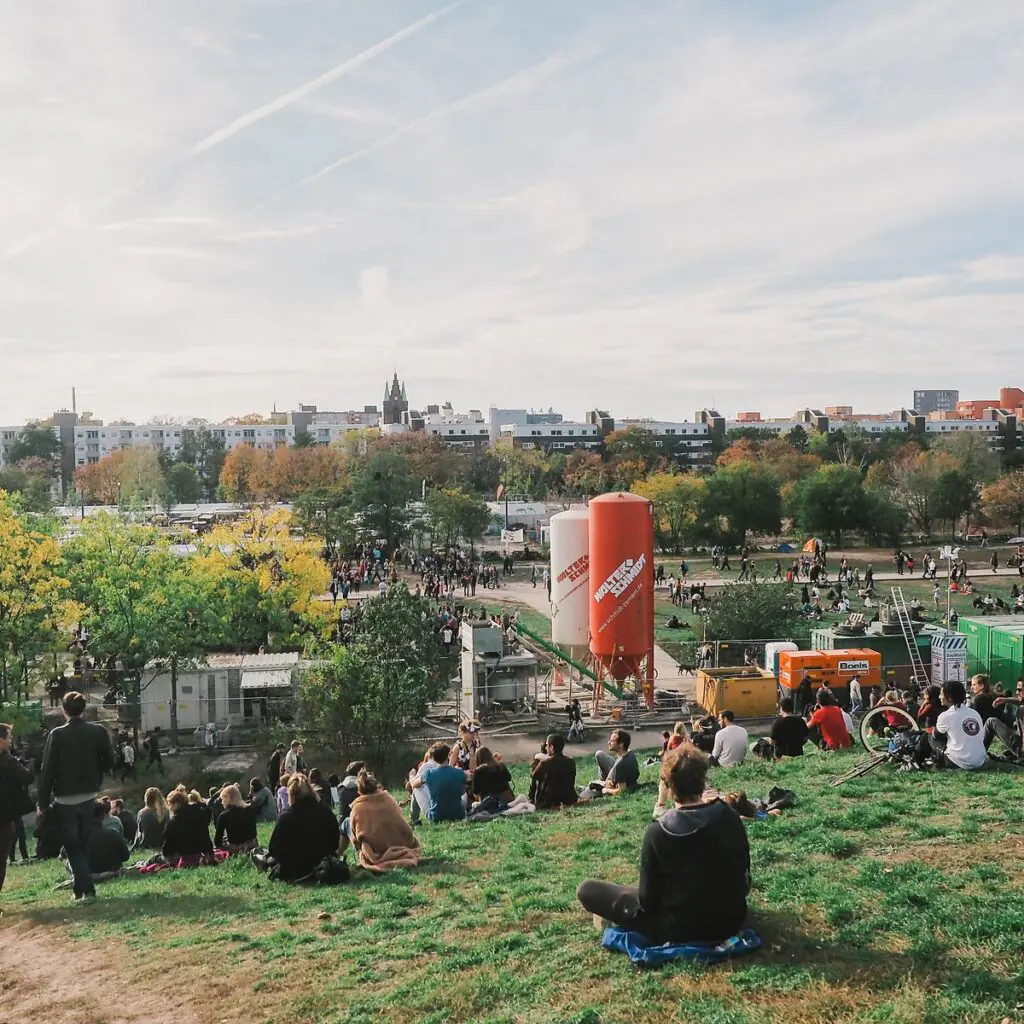
Boxhagener Platz
The Sunday flea market around Boxhagener Platz is one of Friedrichshain’s best for vintage clothing: denser and more interesting than the tourist-facing markets closer to the centre. The surrounding streets have a good cluster of independent vintage shops open through the week too.
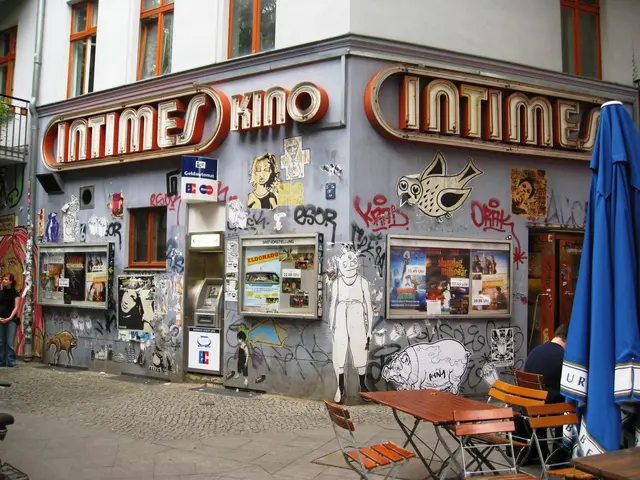
Intimes
One of Berlin’s oldest cinemas, dating back to 1911, now shows independent and arthouse films. The exterior (neon sign, graffiti-covered facade) looks like it belongs in Friedrichshain. The interior, with its original layout intact, is worth the ticket price on its own.
Neukölln: Berlin's current hotspot for younger international creatives
Neukölln has one of the most diverse populations in Berlin, and the neighbourhood reflects it. Turkish and Arab markets sit alongside natural wine bars, experimental galleries, and one of the city’s largest open public spaces. It’s where a lot of younger international creatives have ended up, and the creative infrastructure has followed.
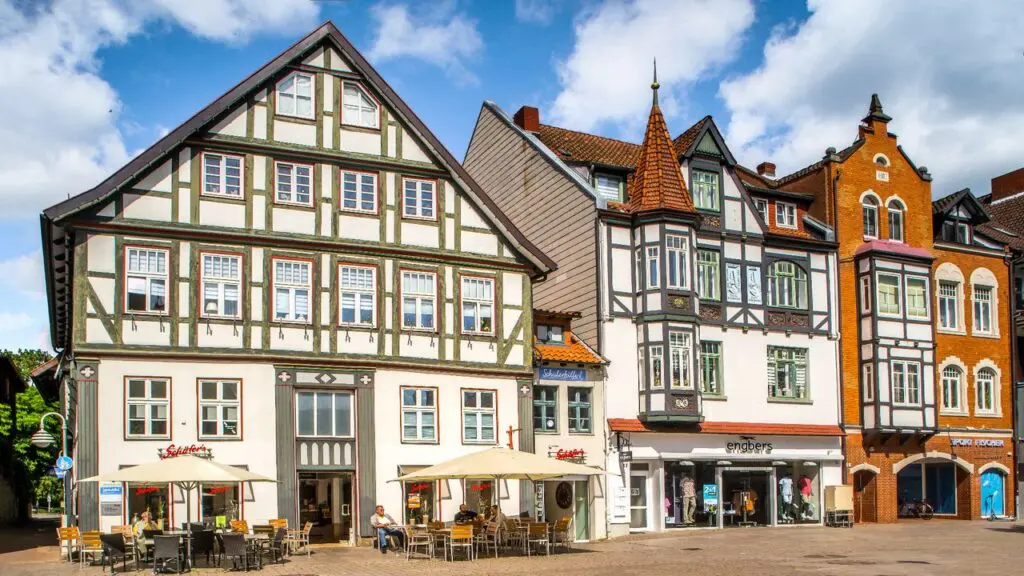
Weserstraße
This is Neukölln’s main bar strip that runs about a kilometre through the neighbourhood. The bars here tend to be small, low-lit, and serious about their natural wine and craft beer lists. Just walk in and discover what all these hidden spots have to find.
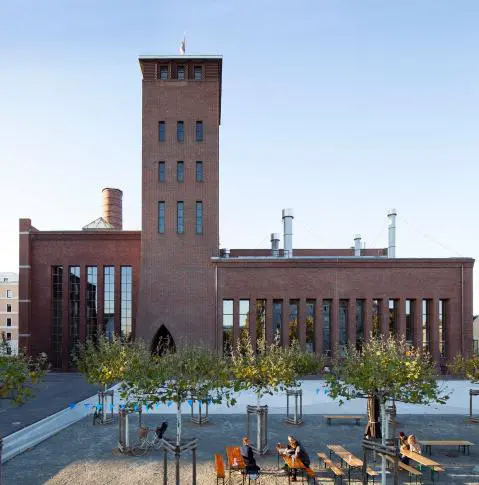
KINDL Center
A former Kindl brewery converted into a contemporary art centre that’s best known for its Maschinenhaus, a towering engine room that hosts large-scale, site-specific installations. The building itself is as much of a draw as what’s currently showing. Free to enter on the first Sunday of the month.
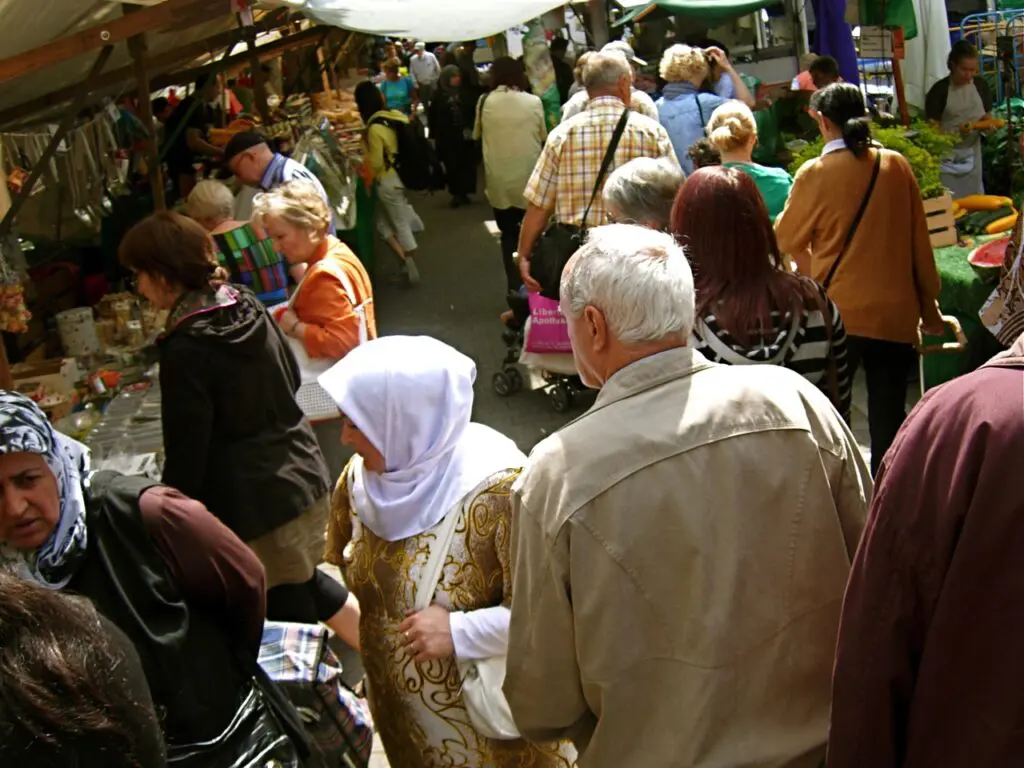
Maybachufer Market
For a more everyday insight into Neukölln’s character, Maybachufer is hard to beat. Running along the canal, it’s lively, colourful, and full of the neighbourhood’s cultural energy. It feels less like a polished attraction and more like a living part of the area, which is exactly why it’s worth seeing.
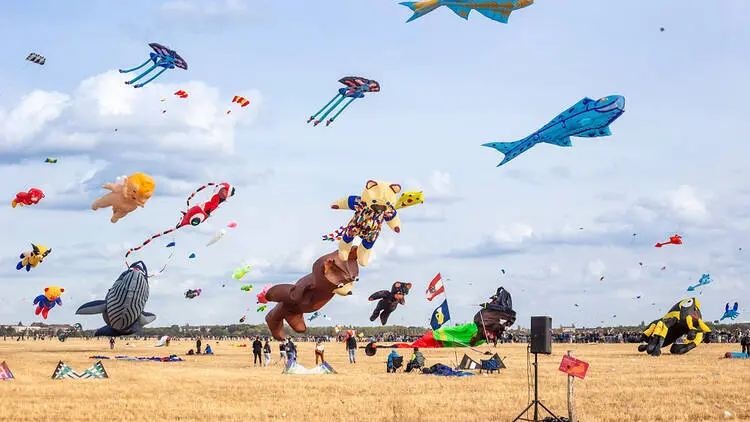
Tempelhofer Feld
A decommissioned airport that Berliners voted to keep as open public space in 2014. The runways are now used for cycling, rollerblading, kitesurfing, and community gardens. It’s enormous and genuinely empty in a way that’s rare for any major European city. Go at golden hour.
Mitte: Polished on the surface with hidden quirks to be discovered
Mitte is the most polished version of Berlin: gallery streets, high-end design shops, and private art collections that draw international visitors. But it hasn’t been completely smoothed over. Haus Schwarzenberg sits in the middle of it as a deliberate holdout, and KW Institute has spent three decades showing work that deliberately resists the neighbourhood’s gentrified image.
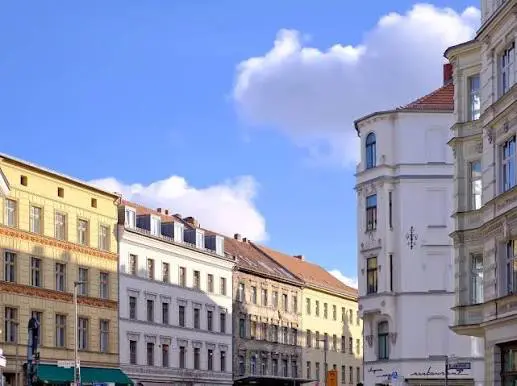
Auguststraße
The main gallery street in Mitte, with a concentrated stretch of contemporary art spaces including Eigen + Art, one of Germany’s most established galleries for East German artists. Most spaces have free admission and are open Tuesday to Saturday.
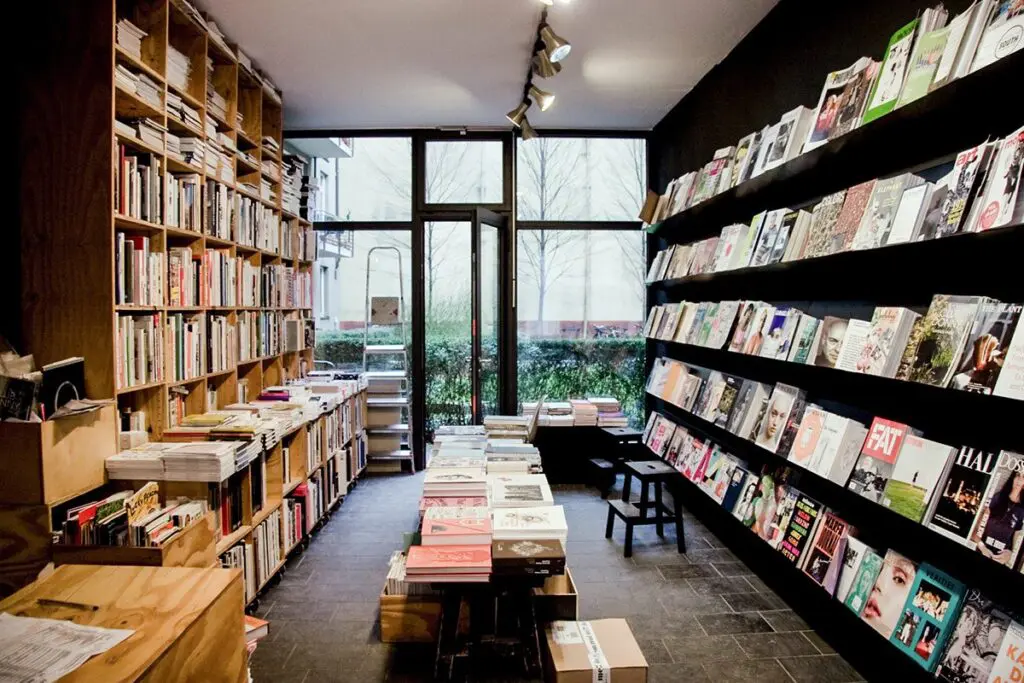
do you read me?!
A bookshop dedicated entirely to independent magazines: fashion, art, architecture, photography, and design titles from publishers around the world. The selection is genuinely broad and well-edited, and the staff know the stock.
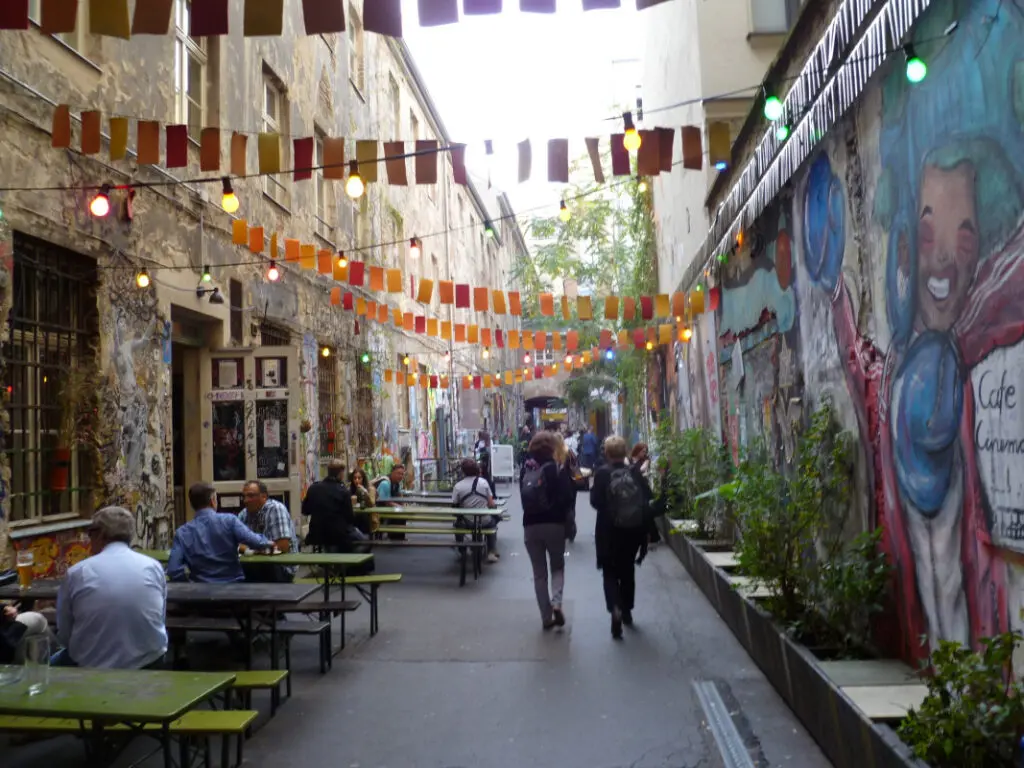
Haus Schwarzenberg
A graffiti-covered courtyard complex that has operated as an independent cultural space since the 90s, surrounded by Mitte’s increasingly expensive real estate. Inside: indie studios, a cinema, and the Anne Frank Zentrum. The contrast with the street outside is immediate and intentional.
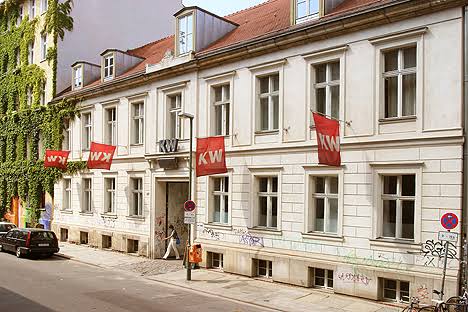
KW Institute for Contemporary Art
One of Berlin’s most important contemporary art institutions, set inside a former margarine factory on Auguststraße. KW has been showing politically charged, internationally exhibited work since the early 90s and remains genuinely adventurous in what it puts on. Free entry on the first Thursday of the month.
Where to stay
art’otel Berlin Mitte sits in the neighbourhood with the deepest gallery concentration in the city. It’s just 10 minutes from Friedrichshain, and 20 from Kreuzberg and Neukölln. The hotel houses a permanent collection of works by Georg Baselitz, so the creative content doesn’t stop when you come back in for the evening.

