Why Berlin is a clubber’s paradise
This article was originally published in June 2024 in Curated edition 2.
Think of Berlin and you think of the Berlin Wall, a city scarred by the Second World War and more hipsters per capita than any other city in Europe (unverified, but it sounds about right). You think of lush parks, iconic buildings, winters holed up in cosy bars and summers spent swimming outdoors at the River Spree.
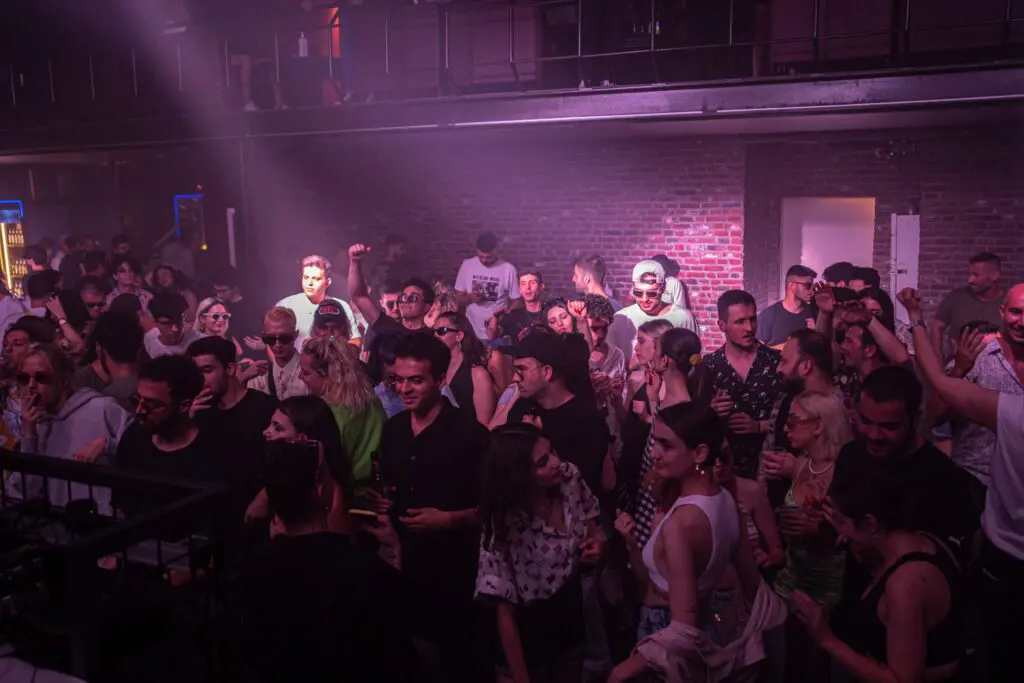
You also think of the nightlife, the clubs that seemingly never close and the bouncers guarding doorways, picking and choosing who can enter with a subtle nod or shake of the head. You think of the techno that pulses from next level sound systems, and a commitment to freedom of expression that means absolutely anything can happen. In Berlin, clubbing isn’t just a chance for revellers to let their hair down. It’s a lifestyle, a deep-rooted culture as much a part of the city’s fabric as any picture-perfect landmark.

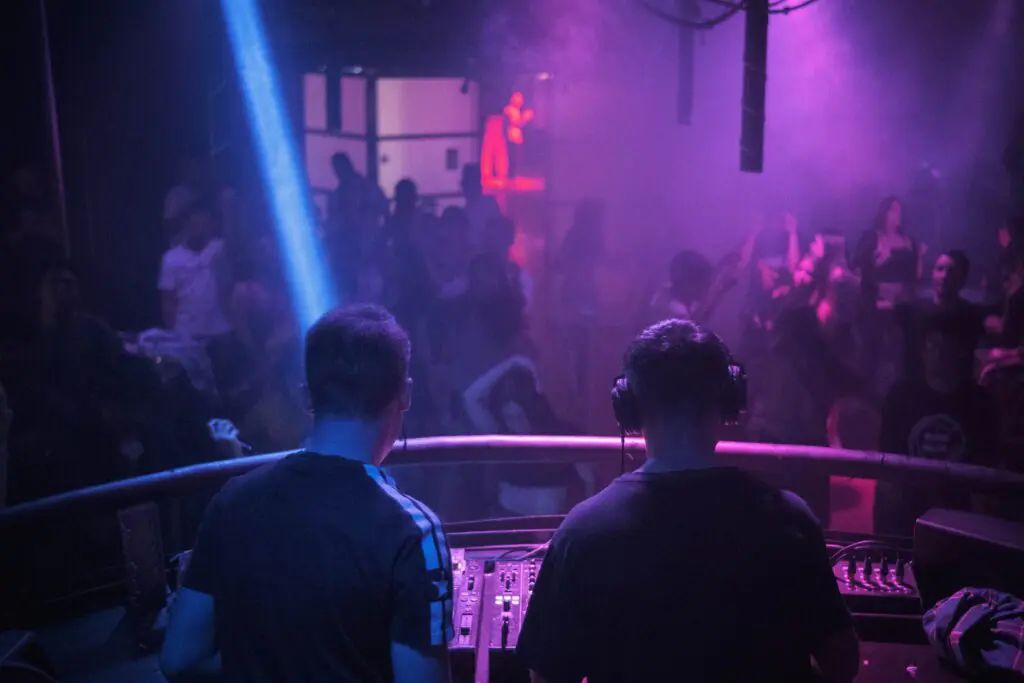
It’s probably Berghain that first comes to mind, arguably Berlin’s – if not Europe’s – most famous nightclub. It’s the club that goes from Friday night to noon on Monday, the former power plant in Stalin-era architecture playing techno at all hours of the day. There’s a work of art by Wolfgang Tillmans hanging in the upstairs Panorama bar. There’s an ice cream parlour. Even the head bouncer, Sven Marquardt, is famous.
Berghain is also notorious for being difficult to get into. We’ve all experienced the toe-curling secondhand embarrassment when hearing tales of people being turned away at the door by bouncers who didn’t think they fit the bill—if not experienced it ourselves. One frequent Berghain goer told us that the best bet for getting in is to go with a local, don’t look like a tourist, and try less popular times of day—like a Sunday morning just after you’ve had your breakfast. If you don’t get it in, don’t worry, you won’t be the first or last. Rumour has it Elon Musk was turned away, as was Britney Spears at the beginning of her fame.
It’s not just Berghain, of course. Today, there are more than 4,500 bars and clubs in Berlin, each one offering a completely different experience to the next and a sliding scale of debauchery. Most of Berlin’s clubs don’t allow cameras inside so what actually happens is really only for the knowledge of those lucky enough to be let in. As for the rest of us, the mystery and those tales we hear will have to do.
Maybe that’s why, of all things, nightlife is the thing we associate with Berlin over the likes of, say, London, Paris or Milan. Being tied up in myth, legend and mystery adds a certain excitement, especially in an age where we’re used to documenting every moment on social media. Or maybe it’s that, unlike other cities, Berlin fully embraces and celebrates countercultures. Whatever it is, Berlin continues to reign as the leader of electrifying nightlife in Europe.
This is no recent thing, of course. Berlin’s partying past runs deep.
1920s - 1940s: Two World Wars and one bottle of whiskey
In the decades bookended by two world wars, Berlin was in a permanent state of serious change. In the 1920s, after the gruelling years of the First World War, Berliners were desperate to let their hair down and focus on the positive. Clubs and bars were alive with excitement, every sexual orientation was celebrated, and everyone was up for, well, everything. Then the 1930s, and Hitler, came along and those fun, vibrant, inclusive parties disappeared. By the time the Second World War arrived, life as Berlin knew it had come to an abrupt end.
Post World War II and a divided city had a strict curfew imposed on all its residents. In West Berlin, bars closed at 9PM and in East Berlin, they shut their doors at 10PM. Not wanting to be outdone by their Soviet counterparts, the West moved their closing time to one hour later—prompting the East to do the same.
This carried on, hour by hour, until hotelier Heinz Zellermayer had had enough. Story goes that he took a bottle of whiskey to Brig. Gen. Frank Howley, the commandant over the American sector of West Berlin, and persuaded him to get rid of the curfew altogether. His argument? That it would be good for the economy and would exemplify Western values.
It’s thanks to Zellermayer that Berlin’s nightlife got back on its feet—and that there are no laws around closing times to this day.
Early 1990s: The Berlin Wall fell, and lawless parties began
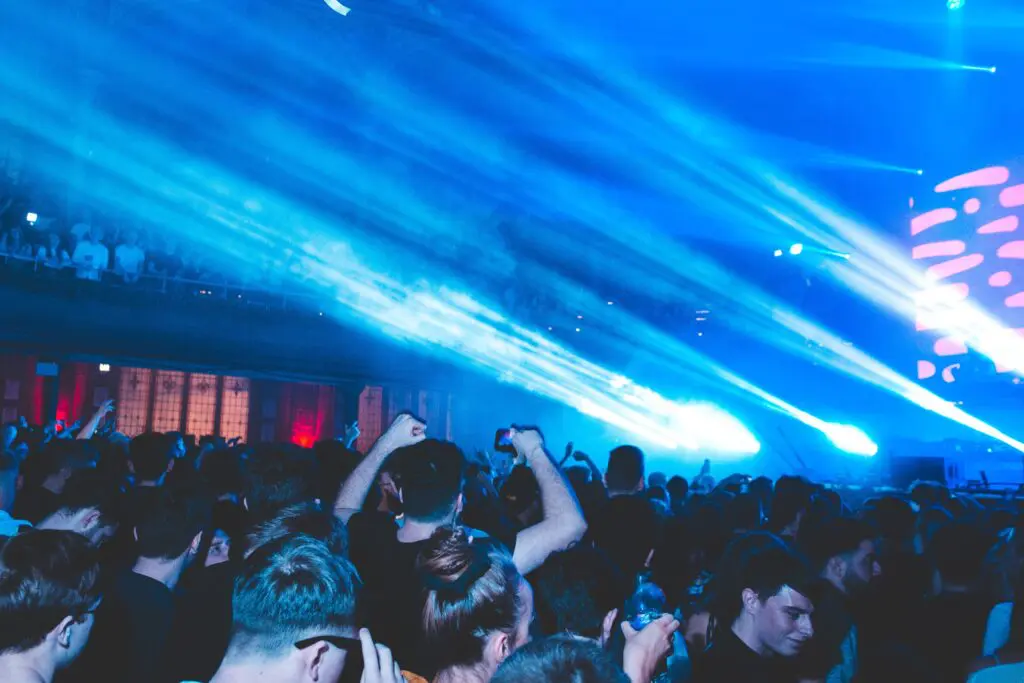
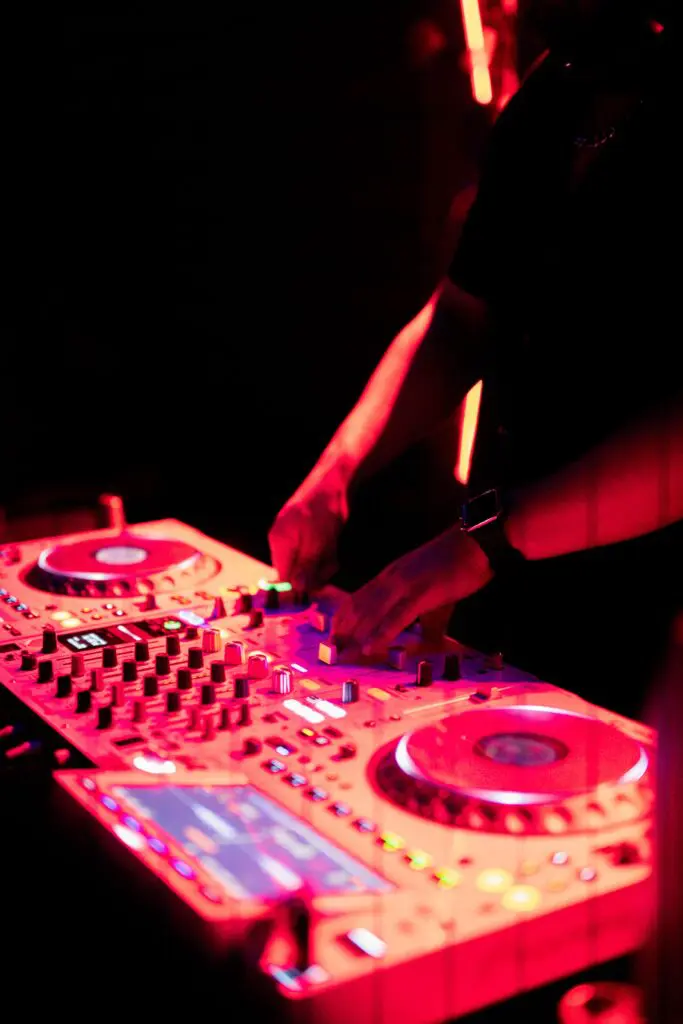
1989 marked the fall of the Berlin Wall, reuniting the East and West of the city and physically signifying the end of the Soviet regime in Germany. The end of the regime also meant lots of abandoned factories and buildings in the East; the vast, empty spaces the perfect playground for celebrating a city coming together again. That and the love of techno music adopted by Berlin’s youth in the ‘80s, was the ideal recipe for electric parties, makeshift creative clubs and a scene that was completely lawless, in all the best ways.
Now: Where to go for a night (or day) out in Berlin
Nightclubs are more official these days but the spirit of the ‘90s lives on. Whatever your interests, you can find three-day parties in an abandoned factory, don your disco shoes in an old apartment block or sample the city’s world famous techno in the most weird and wonderful of locations. Here are a few of the best to whet your appetite.
Berghain
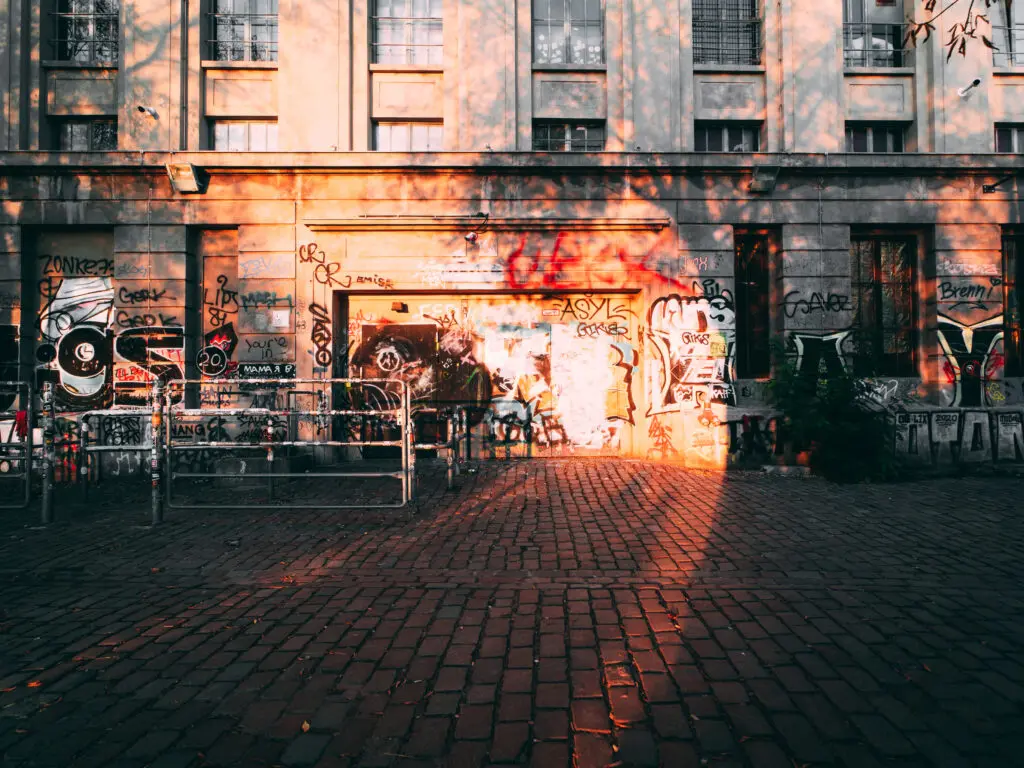
Berghain is in a large old power plant, sat between Kreuzberg and Friedrichschain (that’s where the name “Berghain” comes from). It was the former site of legendary club Ostgut, which ran from 1998-2003, before turning into the club as we know it today in 2004. Expect lots of techno, the best DJs from around the world, and plenty of stories to come home with. The club itself is also home to the Panorama Bar, a slightly more relaxed offering of house music, a bar serving drinks, and a chance to catch your breath.
Where to find Berghain: Am Wriezener bhf, 10243
Tresor
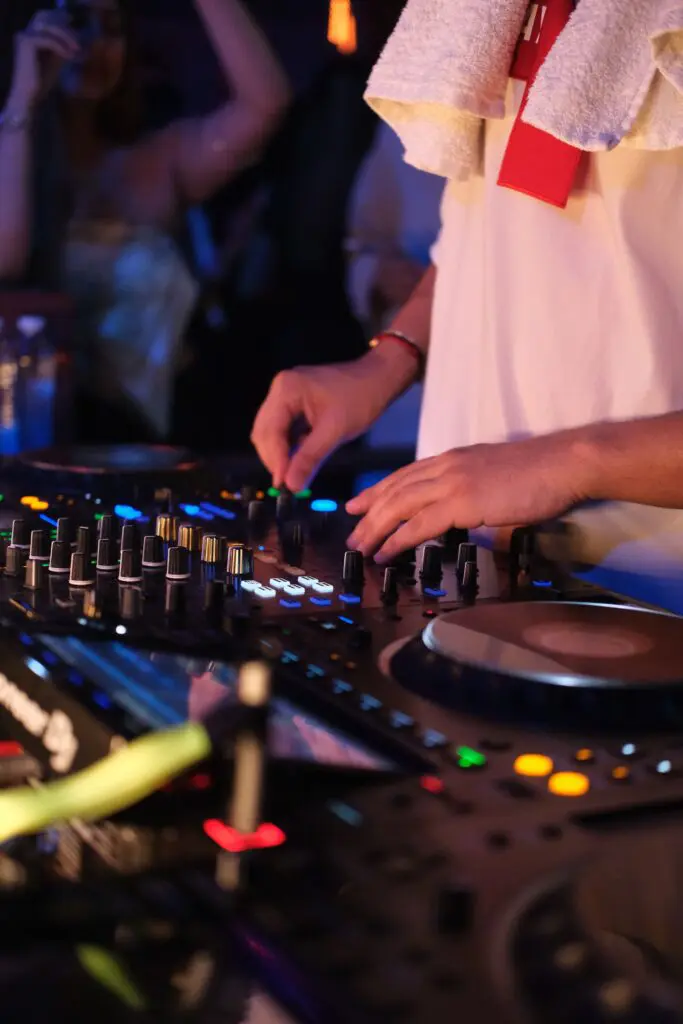
Tresor has been around since the early ‘90s and started in the vaults of an old department store. It’s since moved to the underground of a former power plant in Kreuzberg and comes with a famous 30m long vault tunnel. Go for DJs behind bars spinning Detroit techno and one of the most memorable nights of your life.
Where to find Tresor: Köpenicker Str. 70, 10179
Sisyphos
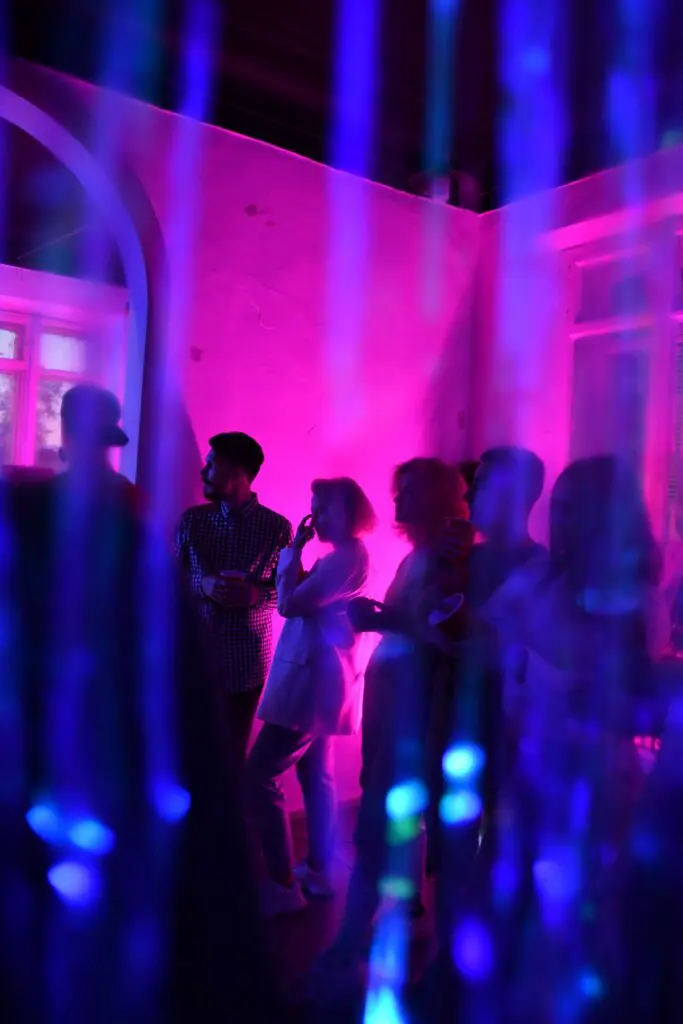
Imagine an open-air festival that runs non-stop from Friday to Monday and you’re almost there with Sisyphos. This abandoned dog food factory has been transformed into a mix of indoor and outdoor areas, each one playing music that ranges from electro to techno, house and disco. There are courtyards lit up by huge old colourful lamps, an artificial beach, abandoned cars, and even places to grab a pizza or a coffee. Sisyphos is a bit out of the way but with so much to see and do, it’s worth the journey.
Where to find Sisyphos: Hauptstraße 15, 10317
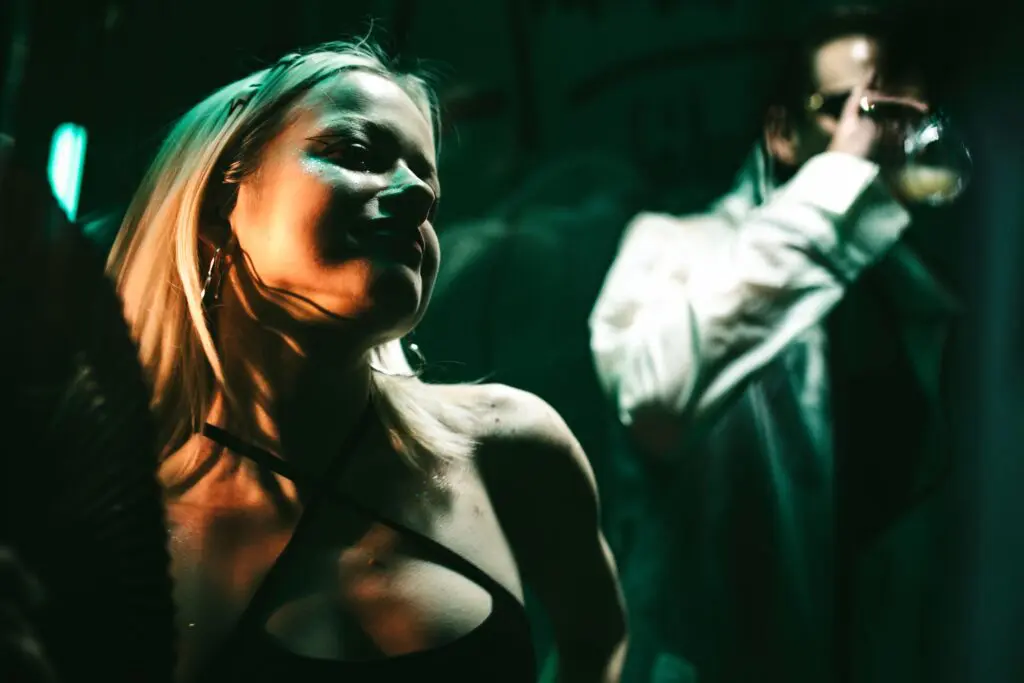
Salon Zur Wilden Renate
One unrenovated apartment block, three floors and a labyrinthine layout of secret mini-clubs, rooms filled with quirky old furniture and multiple corridors to weave your way through. It could only be a club in Berlin. Salon Zur Wilden Renate – or simply ‘Renate’ – has three different floors dedicated to different sounds: Techno, house and disco, with myriad rooms and an outdoor courtyard area to rest your feet from all that dancing.
Where to find Salon Zur Wilden Renate: Alt-Stralau 70, 10245
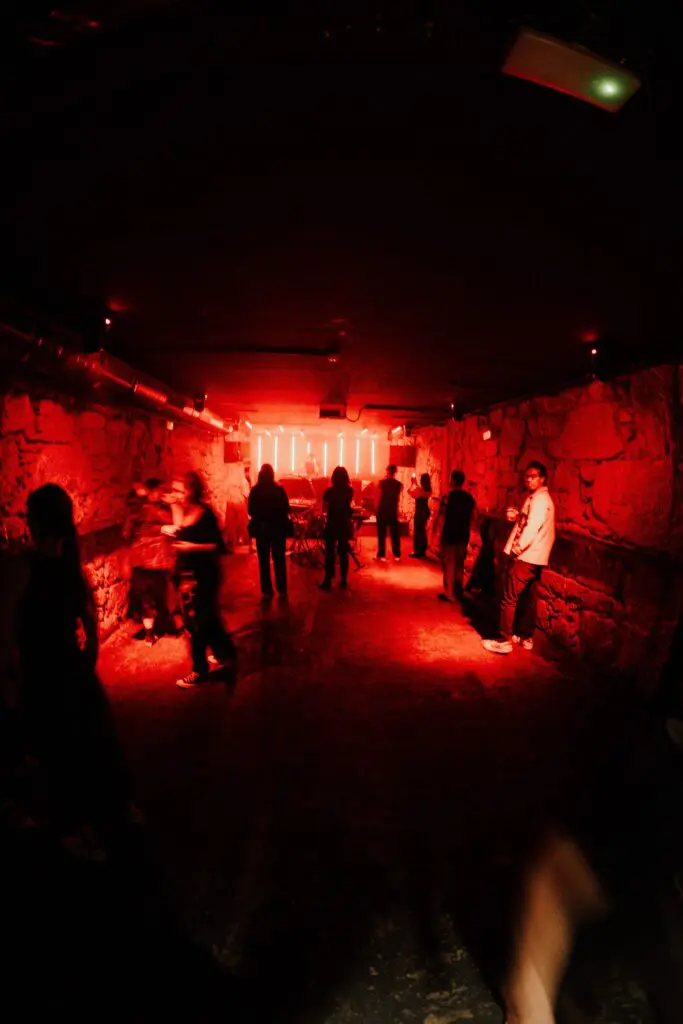
KitKat
KitKat is not for the faint of heart. It’s known for its sexual liberalness, leather or fetish dress code and non-judgemental, anything goes (as long as it’s consensual) attitude inside. You’ll find numerous rooms, a swimming pool, lots of techno and drum and bass, and plenty of debauchery. KitKat is also in Kreuzberg, just around the corner from Tresor.
Where to find KitKat: Köpenicker Straße 76, Brückenstraße 1, 10179
Club der Visionaere
It’s not all abandoned factories and stories you can’t tell your parents. Club der Visionaere is more of a laidback club, nestled right on the edge of a canal in Treptow-Köpenick. Inside, there’s a small dancefloor but the best part is the outdoor deck where you can relax with a drink in the warmer months. Like all clubs in Berlin, there’s no official closing time, so you could be there to watch the sun go down, then watch it come back up again.
Where to find Club der Visionaere: Am Flutgraben 1, 12435
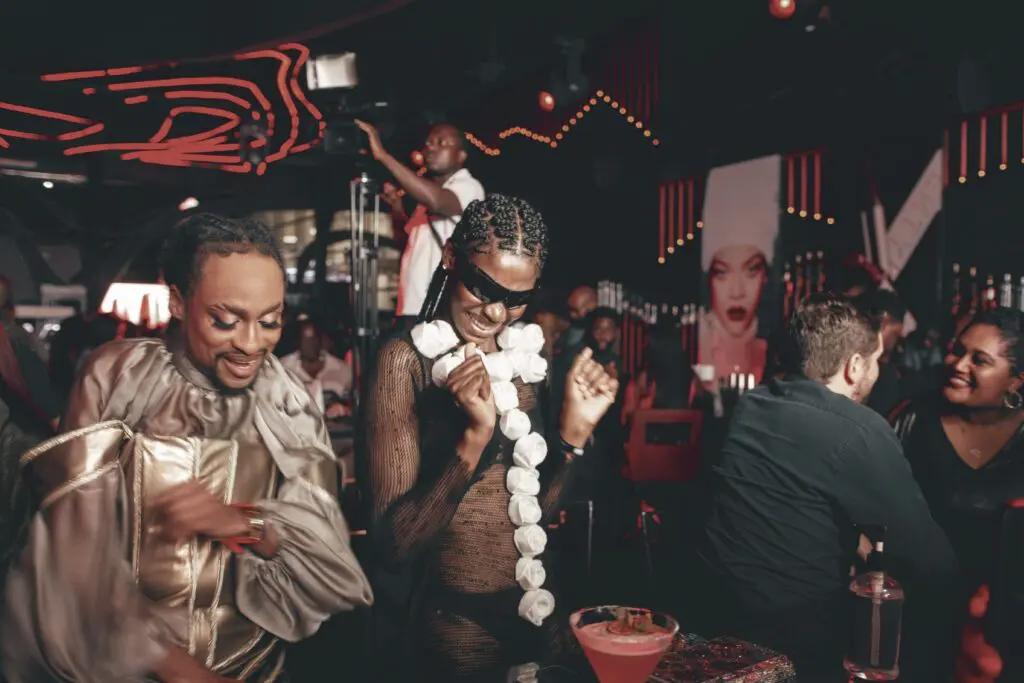
Monarch
Monarch has a more relaxed door policy, but a higher likelihood of entry than some of the other clubs isn’t the only reason to head here for a night out. Through an unassuming door on the edge of the Kottbusser Tor roundabout, Monarch is a small and eclectic club where on any given night you’ll be dancing to anything from house to indie to reggaeton.
Where to find Monarch: Skalitzer Str. 134, 10999
Ready to party? Book a room at art’otel Berlin Mitte, perfectly placed to make your way to any club you fancy. We won’t mind what time you get home either.

