A cultural history of Battersea
Battersea has changed with London throughout its history while keeping a strong sense of self.
Long before the Power Station chimneys rose beside the Thames, this was a riverside village shaped by market gardens and open land that once grew orchards. Ferries crossed the river, carrying people and goods between Battersea and the city beyond.
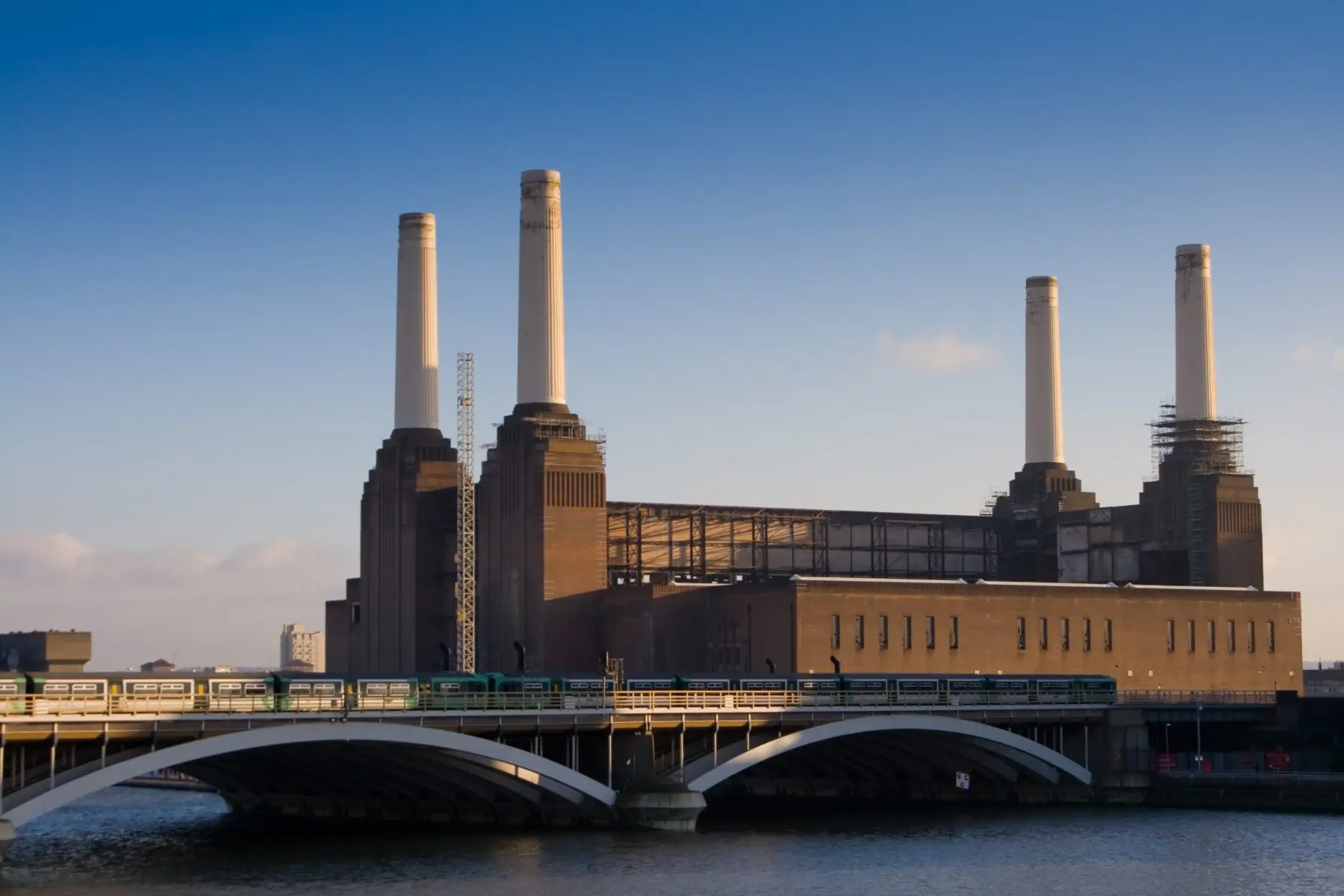
As the city expanded, so did Battersea. As parks opened, public buildings appeared, and one of the capital’s most iconic landmarks arrived. That history is still in plain view.
Battersea’s story runs from village life to industrial ambition, with each chapter leaving a visible mark on the area

A neighbourhood shaped by the Thames
Early Battersea history starts with the Thames, connecting the area to central London and providing an important link for local trade and industry. Land and fields behind it supported farming and local production, with Battersea once known for growing asparagus and lavender. This agricultural heritage is echoed in names such as Lavender Hill.
That older identity still matters and continues to give the area texture. Even now, Battersea does not feel cut off from its roots. You can sense the older shape of the district in its streets, green spaces, and pockets of calm near the water.
Its position opposite Chelsea adds another layer to that identity. Battersea has long existed as a quieter counterpart, historically connected by ferry and bridge, holding its own distinct pace and character. Today, that contrast feels more like a dialogue between two sides of London, where traditional and contemporary influences meet across the river.
Yet, the ease of walking from Battersea to King’s Road underlines just how closely these worlds sit together.
Battersea Park history: From reclaimed land to public life
A major chapter in Battersea Park’s history began in the 19th century, when marshland by the Thames was turned into a public park.
Before that, parts of Battersea Fields were known for duelling, with one of the most famous public bouts involving the Duke of Wellington. Nowadays, ground once linked with confrontation is a place for leisurely strolls and for spending time outdoors with friends and family.
When Battersea Park officially opened in 1858, it quickly became central to local life. In 1951, it took on another role, hosting the Festival of Britain Pleasure Gardens. For a period, the park became a setting for entertainment and public display.
That spirit still lingers, and Battersea Park remains one of the defining green spaces in the area, with riverside paths and family attractions shaping its character. The children’s zoo belongs to this story too, having first emerged from the Festival of Britain era. The zoo has since become a family-friendly conservation and educational space, and home to over 100 animals from around the world.
Battersea Dogs & Cats Home: A name with real weight
No account of local history and heritage feels complete without Battersea Dogs & Cats Home.
Founded in 1860 and moved to Battersea in 1871, the Home became one of Britain’s best-known institutions for animal welfare.
For many people, the name Battersea evokes immediate associations with rescue and care that extend beyond geography. That says a great deal about the district’s place in public memory. Some landmarks are visual. Others are emotional. Battersea Dogs & Cats Home has long been part of the area’s emotional identity. It symbolises compassion and second chances in a way that makes its connection to Battersea felt as much in people’s hearts as on the map.
The history of Battersea Power Station
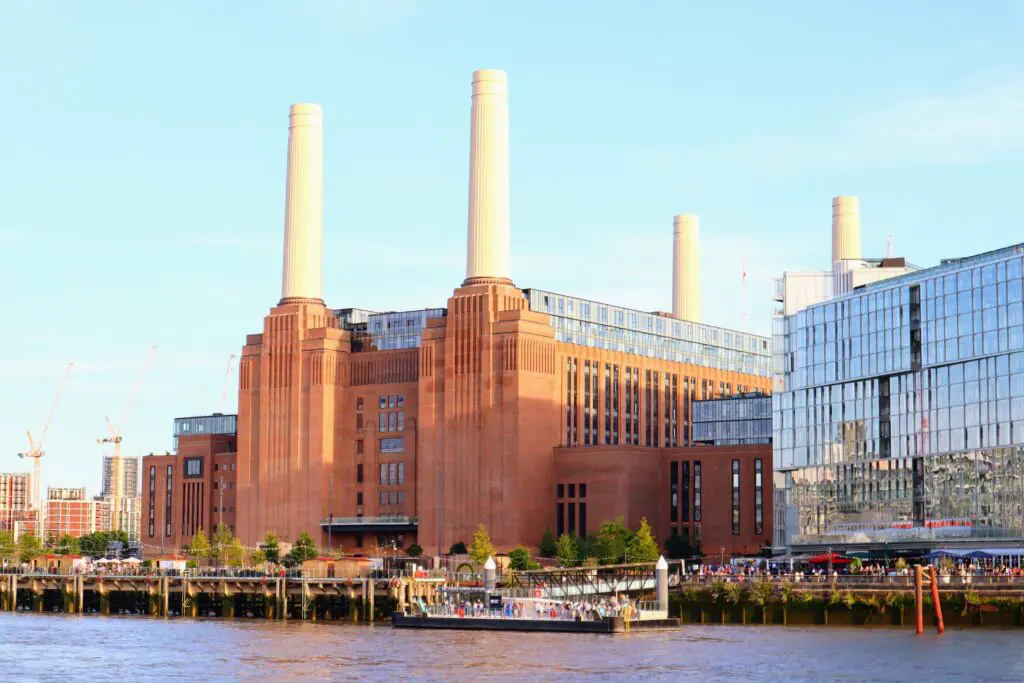
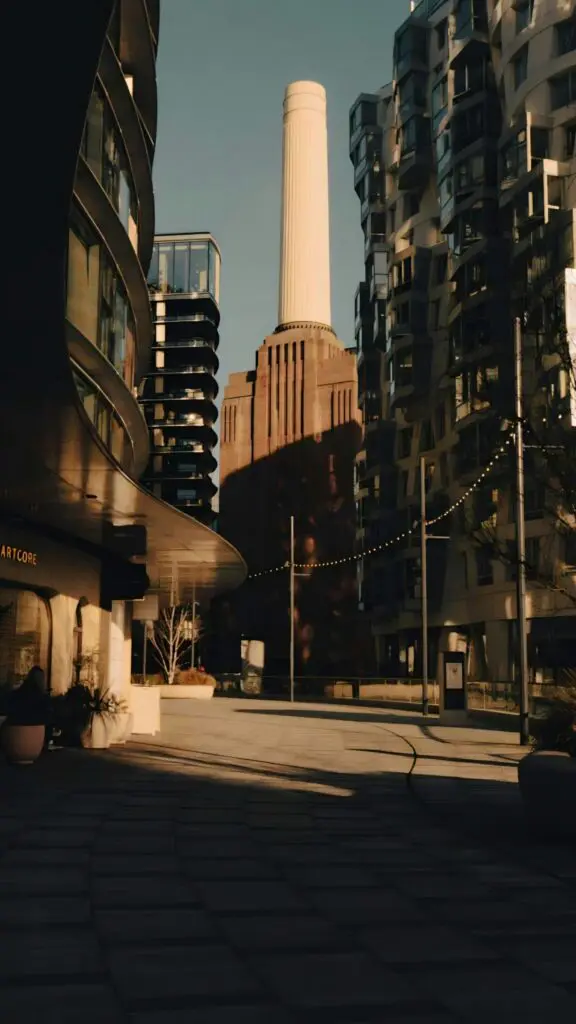
At its peak, the Power Station supplied around one-fifth of London’s electricity, including both Buckingham Palace and the Houses of Parliament. Designed by Sir Giles Gilbert Scott – the man behind the unmistakable red telephone box – it carried an unusual sense of drama from the start. This was nowhere more evident than in the vast turbine hall, which could fit St Paul’s Cathedral inside. That’s why it earned the nickname ‘Temple of Power’.
The Power Station’s cultural life has since expanded well beyond engineering, becoming a location for multiple films. It was permanently fixed into pop culture history in 1976 during the cover shoot for Pink Floyd’s album Animals. Algie, a giant inflatable pig used in the shoot, famously escaped its moorings between the chimneys and caused chaos as it flew across the London skies. It even floated into Heathrow flight paths and caused temporary delays before landing in Kent.
Why Battersea still stands apart
What makes Battersea compelling is the way these histories sit side by side. Village life, public parkland, civic culture, animal welfare and industrial heritage all have a place here. The Thames runs through each of these chapters, linking past and present while shaping how the area is experienced.
Visitors can enjoy:
- Riverside walks along the river
- The open spaces of Battersea Park
- Cultural events and programming at Battersea Arts Centre
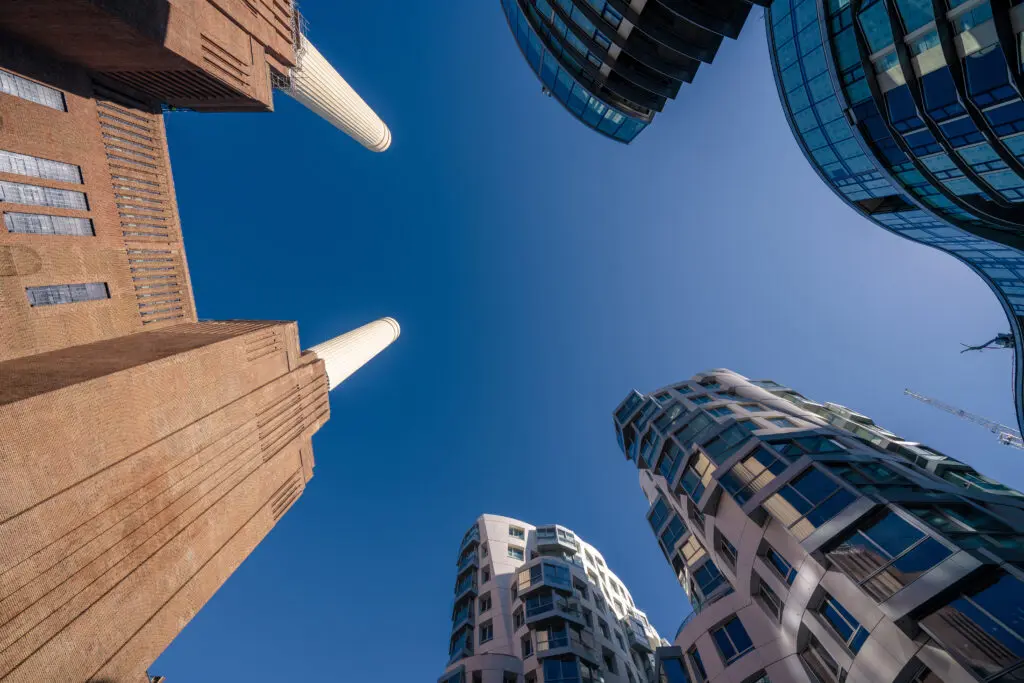
- The shops, restaurants, and architecture of Battersea Power Station
- A neighbourhood moulded by centuries of change
Its location near the South Bank, with views across Chelsea, balances London prestige with a more creative, contemporary edge. It’s this combination that gives Battersea its unique appeal.
For guests staying at art’otel London Battersea Power Station, the setting offers much more than a single attraction. Battersea Park, the Power Station, the riverside, and the wider cultural landscape are all within easy reach. Making for a complete destination experience in one of the most rounded and dynamic pockets of modern-day London.

