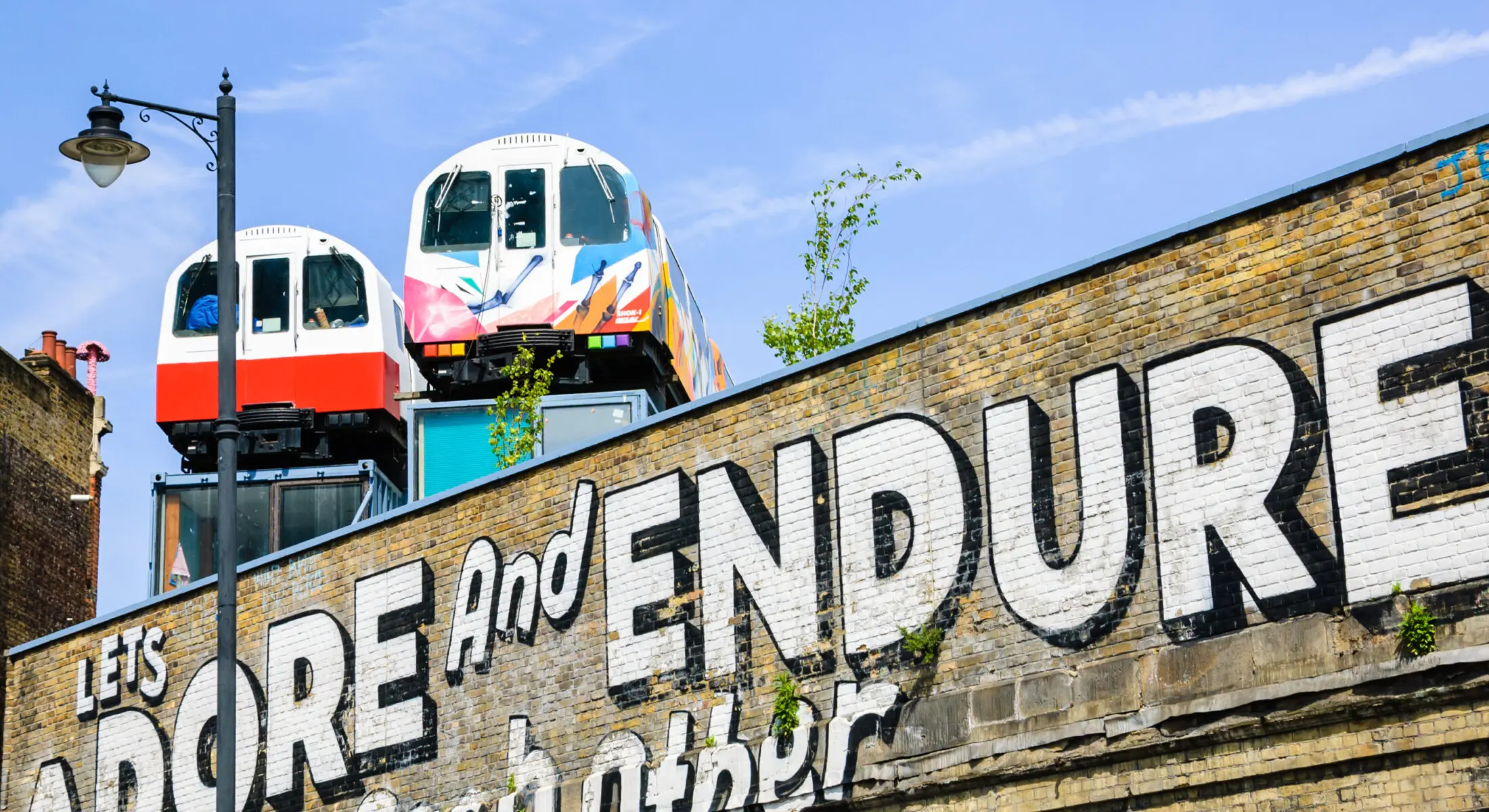
A cultural history of Hoxton and Shoreditch
Hoxton and Shoreditch have changed alongside London for centuries, holding on to a strong sense of history and character.
Long before murals appeared on brick walls and warehouse doors, this part of East London was already known for its public culture. Plays were staged here when they were no longer welcome inside the city. Later came weaving, furniture-making, music halls, clubs, artists’ studios and street art.
That history has not disappeared. You can still feel it in the streets of Shoreditch.
This is a story of reinvention. New industries arrived, communities settled, and old spaces found new purpose. Hoxton belongs to that story too. The two neighbourhoods sit side by side, shaped by generations of commerce and new arrivals. Over time, each wave of change left its mark on the area.

A district shaped by performance
One of the earliest chapters in Shoreditch’s history begins in the late 16th century, when public performances were banned within the City of London during outbreaks of plague. Shoreditch, just beyond the old city walls, became an obvious place for theatre to continue.
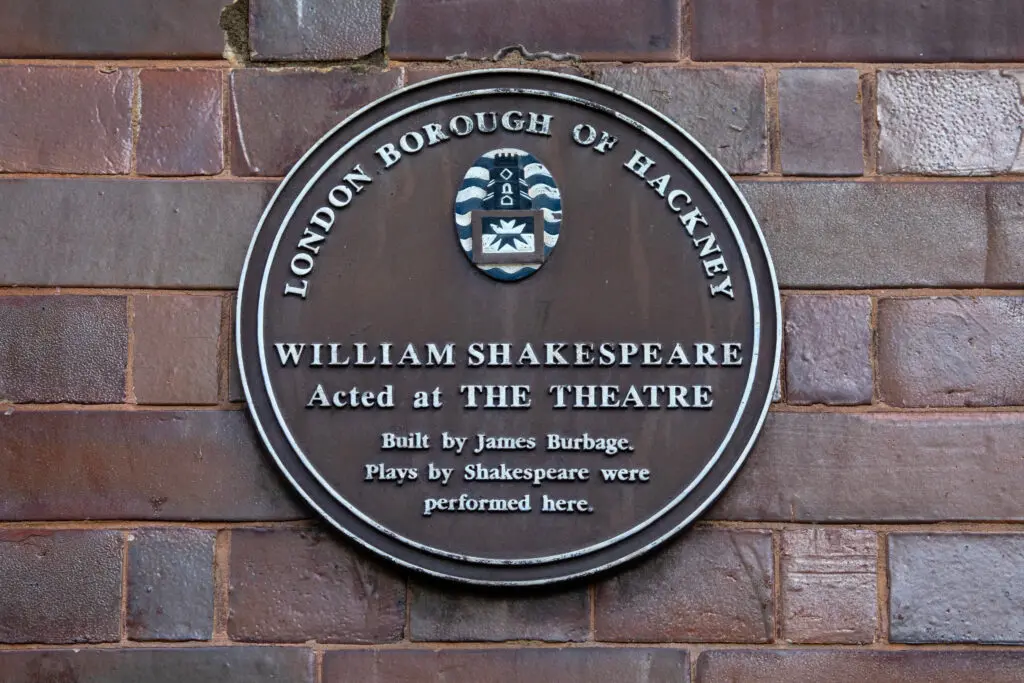
In 1576, actor James Burbage built The Theatre in Shoreditch, widely recognised as England’s first permanent playhouse. A year later, the Curtain Theatre opened nearby, establishing Shoreditch as a place in cultural history long before the area became known for nightlife or street art.
The Curtain soon gained further significance in 1597, when Shakespeare’s company, the Lord Chamberlain’s Men, performed there. Both Henry V and Romeo and Juliet are closely linked to this period. From the beginning, Shoreditch was a place where new work met a live audience.
That early theatrical spirit still matters. It set a pattern. Hoxton and Shoreditch have long attracted people who make something fresh and test it in public.
Hoxton history and the culture of making
The stage was only the beginning. In the 1600s, Shoreditch became a centre for textile production as Huguenot weavers settled in East London and brought specialist skills with them. Craft shaped the area for generations.
This shaped Hoxton’s history, too. It grew alongside Shoreditch, with both neighbourhoods sharing the working culture of London’s East End. Workshops filled the streets, businesses developed, and new communities settled in the area. The names changed from one street to the next, though the wider story remained connected.
The picture was not solely prosperous. In the 18th century, poverty and overcrowding across the East End were severe. The Shoreditch workhouse, built in 1731, stands as a reminder of that harder reality.
By the 19th century, Shoreditch had become known for furniture making. Victorian warehouses filled the area, and production even spilt into the streets. This was a neighbourhood built around labour as much as imagination, and that older fabric still shapes the look of both Hoxton and Shoreditch now.
From music hall to post-war East London
Performance returned in another form in 1894, when architect Frank Matcham designed the London Music Hall. Charlie Chaplin appeared there early in his career, adding another layer to the district’s long association with entertainment.
The Second World War brought major change. Bombing damaged large parts of Shoreditch, altering the landscape and leaving spaces that would later attract artists and creative businesses.
The decades that followed brought new influences. The Kray twins became part of East London folklore during the 1960s, while Bangladeshi communities helped shape local life from the 1970s onwards. Alternative fashion boutiques also began to appear on local high streets, contributing to Shoreditch’s growing reputation for creativity.
Shoreditch street art history and artistic revival
A major turning point arrived in the late 1980s, when artists began moving into former warehouses and factories.
Several developments helped reshape the area:
- Industrial buildings became studios, galleries, cafés and bars
- Alternative club culture gained a foothold
- Street art became increasingly visible
- Shoreditch developed a reputation as a creative destination
Tracey Emin and Alexander McQueen were among the figures associated with this wider transformation.
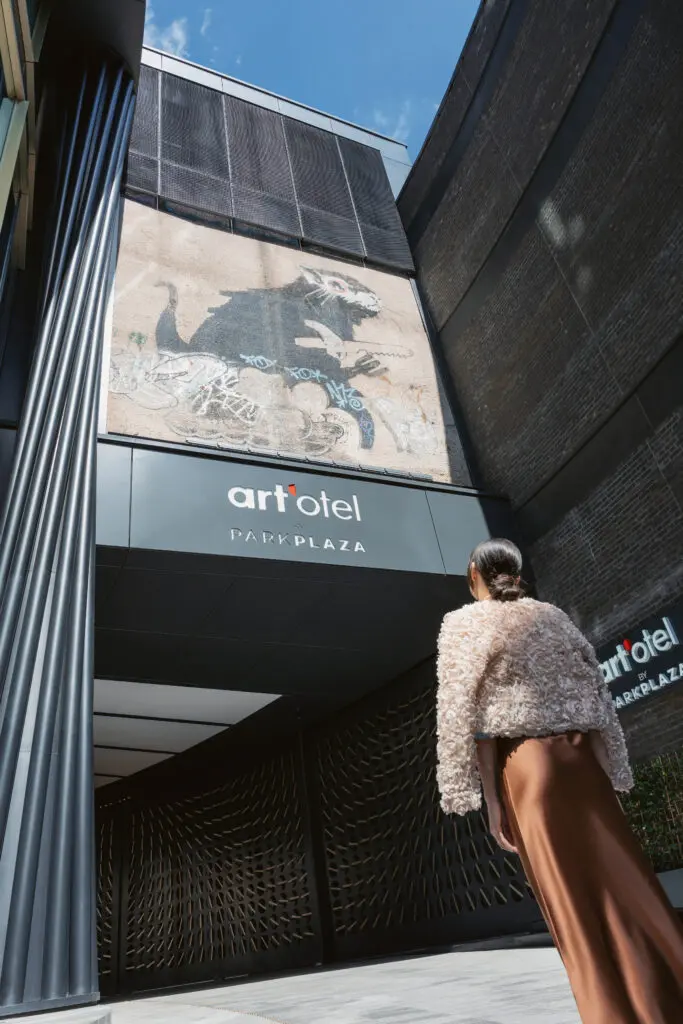
A key chapter in Shoreditch’s street art history began in the late 1990s, when walls across the area started to fill with work by artists such as Banksy and D*Face. Art moved into public view and changed how the neighbourhood was seen. The streets became part of the conversation.
Music followed close behind. Whirl-Y-Gig helped establish Shoreditch as a home for alternative club culture, while Plastic People later became an influential venue in the development of UK garage, dubstep and grime.
By the 2000s, Shoreditch had earned an international reputation for creativity, nightlife and public art.
Shoreditch history timeline
Key moments include:
- 1576: The Theatre opens in Shoreditch
- 1577: The Curtain Theatre opens
- 1597: Shakespeare’s company performs at the Curtain
- 1600s: Huguenot weavers help shape the textile trade
- 1731: Shoreditch workhouse is built
- 1800s: Furniture making becomes a major industry
- Late 1980s: Artists move into former industrial buildings
- 2000: Plastic People moves to Shoreditch
Why Hoxton and Shoreditch still stand apart
What makes Hoxton and Shoreditch so compelling is the way these histories overlap. Across the neighbourhoods, visitors can still see the influence of:
- Early theatre and performance culture
- Centuries of craftsmanship and manufacturing
- Successive waves of migration
- Influential music and club scenes
- Public art that continues to shape the streetscape
The area has changed many times, yet the underlying instinct feels familiar.
People still come here to test ideas in public. Some create new work, others gather around it, and many contribute something of their own to the neighbourhood’s ongoing story.
For guests staying at art’otel London Hoxton, that story is never far away. The neighbourhood offers far more than a weekend scene. It offers one of East London’s richest cultural histories, still unfolding across its streets.

